Microcement can crack, but when it does, the cause is usually movement in the surface underneath rather than the microcement itself. Loose or hollow tiles, existing cracks, structural movement and poor preparation are the common culprits. A properly surveyed, sound substrate and a well-made system greatly reduce the risk, though no hand-applied finish is completely crack proof.
Why microcement cracks
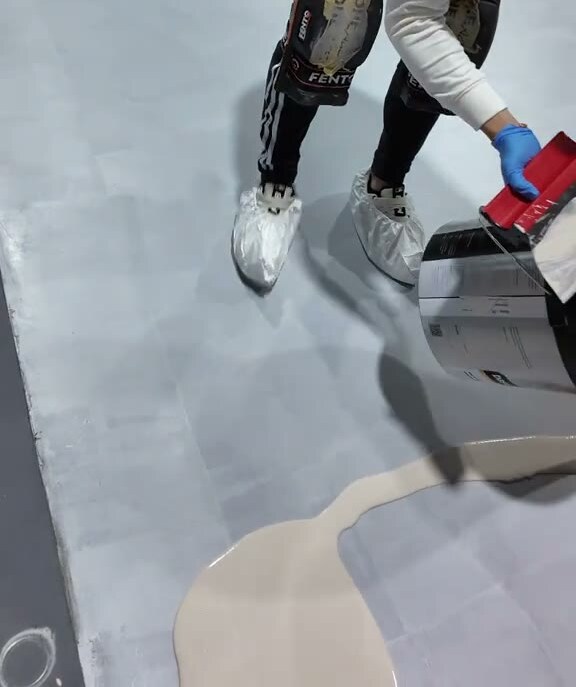
Microcement is a thin, bonded skin. It follows whatever it sits on. The main causes of cracking are:
- Substrate movement. If the tiles or screed underneath shift, the finish above can crack along the same line.
- Hollow or loose tiles. A tile that rocks under foot will eventually show through.
- Existing cracks. Cracks in the slab or screed can reappear in the new surface.
- Movement and expansion joints. Covering a joint that is designed to move invites a crack.
- Poor preparation or application. Dirty surfaces, wrong layer thickness or rushing the drying between layers.
- Inconsistent material. A poorly formulated or badly mixed product behaves less predictably.
Older homes need more care
Older resale flats tend to move more than new ones. Tiles may have hollow spots after years of use, and small settlement cracks are common. That does not rule out microcement, but it makes the survey more important.
How a careful applicator reduces the risk
- Survey before quoting. Tap the tiles, check cracks and look for damp.
- Fix the base. Repair or replace loose tiles and treat cracks before the overlay.
- Respect movement joints. Do not bury a joint that needs to move.
- Use a consistent system. Premixed products reduce batch-to-batch variation.
- Follow the drying times. Each layer needs to set before the next.
- Decline when it is not sound. Sometimes the honest answer is that a surface needs more work first.
Hairline cracks versus wear
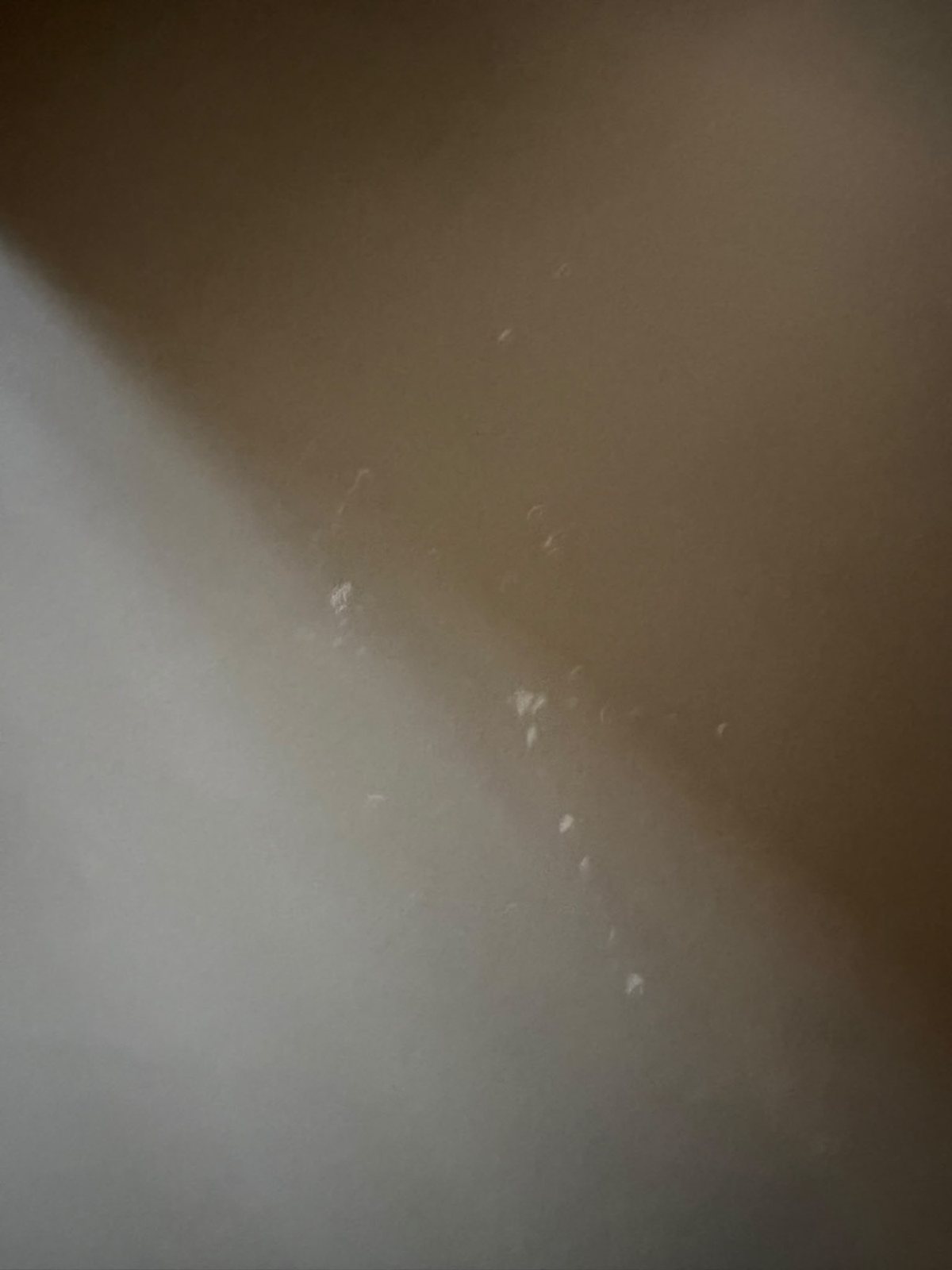
A fine hairline crack is different from wear on the top coat. Wear shows as dull patches on busy floors and is handled by refreshing the sealer. A crack goes through the layers. If you see one, ask your applicator to look at it so they can check what is moving underneath.
What you can do as a homeowner
- Use felt pads under furniture and avoid dragging heavy items
- Avoid dropping heavy objects on edges and corners
- Keep up with cleaning using a pH-neutral cleaner so the sealer stays intact
- Report any leak promptly, since water behind tiles can cause movement
See how to clean and maintain microcement floors for the care routine.
Questions to ask before you sign
- Will you inspect and tap the existing tiles before quoting?
- What would make you decline my surface?
- How will you treat existing cracks and movement joints?
- Which product do you use, and is it premixed or mixed on site?
- How long does each layer need before the next goes on?
- If a hairline crack appears later, what is the process to look at it?
Clear, specific answers are a good sign. Vague promises that it will never crack are not, because no applicator controls what the building does underneath. For a fuller list of questions, see how to choose a microcement contractor.
How Jiu Ding Sheng approaches cracking
Our view is that hairline cracking comes from the substrate, not the product, which is why we survey every surface before we quote and only lay over a sound one. We occasionally decline a substrate. We use the Natural Surface M Series, a premixed system for batch consistency, laid at 1 to 1.5mm in four layers with no primer. Read more on the Material page.
Related: how long microcement flooring lasts.
Quick answers
Is microcement prone to cracking?
Not when it is laid over a sound, stable surface with a well-made system. Most cracks come from movement in what is underneath.
Can a microcement crack be repaired?
Often yes, but the cause should be found first. If the substrate is still moving, a patch on top may crack again.
Do older HDB flats crack more?
Older resale units tend to have more substrate movement and hollow tiles, so the survey and preparation matter more.
Is a dull patch on the floor a crack?
Usually not. Dull patches on busy floors are typically wear on the top coat, which can be refreshed.
Next step
Worried about your existing floor? Send us photos of any cracks or hollow-sounding tiles. WhatsApp +65 8049 1188 or use the contact page.