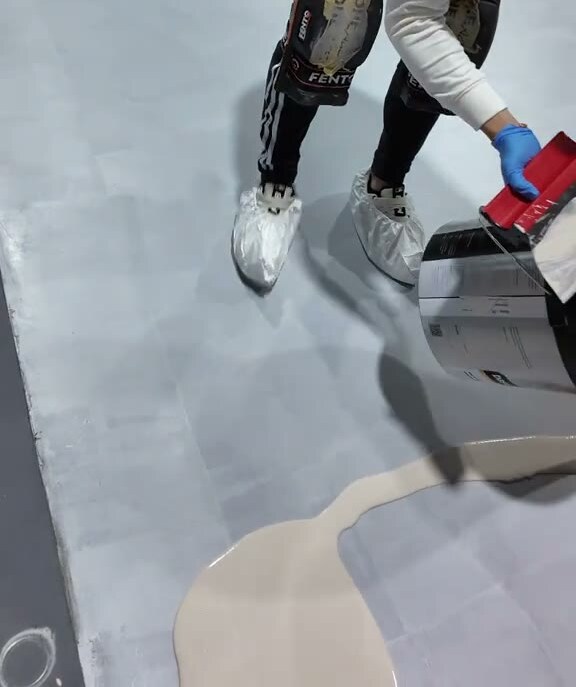
In Singapore, microcement application is usually learnt through hands-on training from a microcement brand’s local distributor or from an experienced applicator, rather than a general classroom course. Look for training that puts a trowel in your hand: substrate preparation, mixing, trowelling each layer and sealing, on practice panels. Because every system mixes and layers differently, train on the product you actually plan to use.
Who usually teaches microcement
- Brand distributors. Each system has its own mixing method, layer sequence and sealers, so distributors often train the people who apply their products.
- Experienced applicators. Some share their methods through small workshops or on-the-job training.
- The brands themselves. Some manufacturers publish application guides and technical data sheets, which are useful alongside hands-on practice.
What a good hands-on course should cover
- Substrate checks and preparation: spotting hollow tiles and cracks, cleaning, sanding, filling, and priming or meshing where the system needs it.
- Mixing: ratios, mixing time, working time, and how heat and humidity change it.
- Trowelling the layers: base coat and finishing coats, how thin each pass should be, and how to avoid marks and overlap lines.
- Sanding between coats and judging when a layer is ready.
- Corners, edges, steps and drains: the detailing where mistakes show most.
- Sealing: applying the top coats evenly, plus drying and curing times.
- Wet areas: how the finish sits over a waterproofing membrane, and what should never be skipped in a shower.
- Repairs and touch-ups.
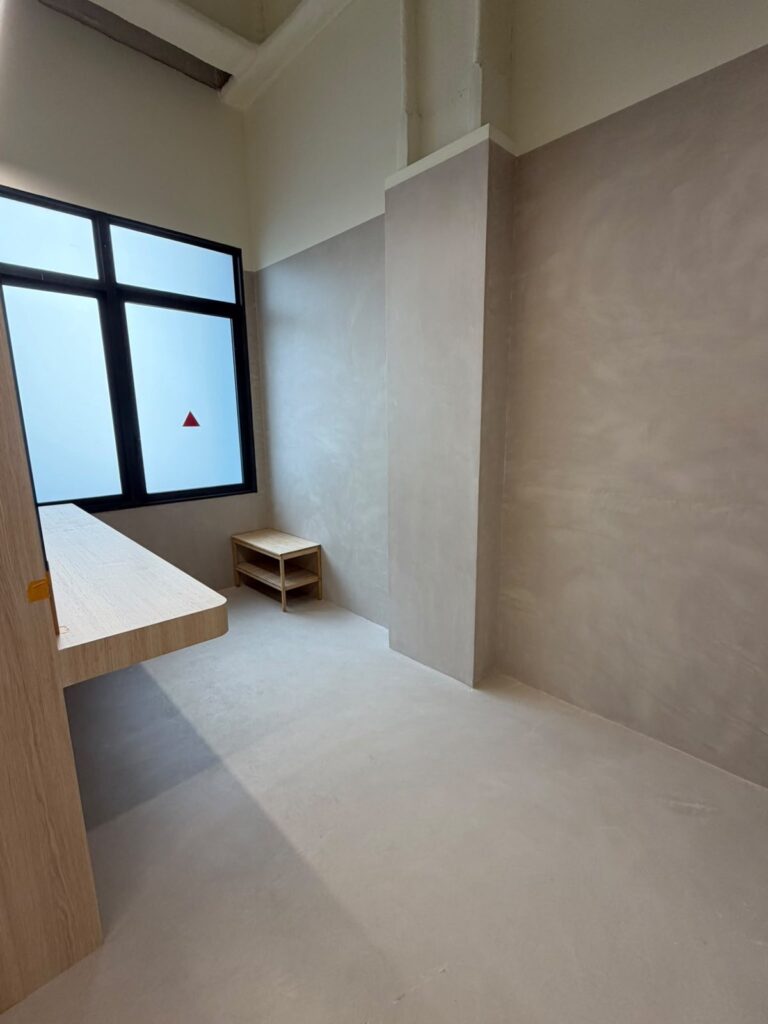
- Practice panels: enough time to repeat the whole process more than once on walls, floors and boards.
- Safety: gloves, dust masks and ventilation.
Questions to ask before you sign up
- Which product system will I train on, and can I buy it locally afterwards?
- How much of the time is hands-on, and how much is demonstration?
- How many trainees are there per trainer?
- Will I practise floors, walls and wet-area details, or only flat boards?
- Are materials and tools provided, and do I keep my practice panels?
- Is there support afterwards when I do my first real job?
- Does the trainer apply microcement on real projects today?
Who microcement training suits
- Renovation contractors, plasterers and painters adding a new finish
- Interior designers who want to understand what they specify
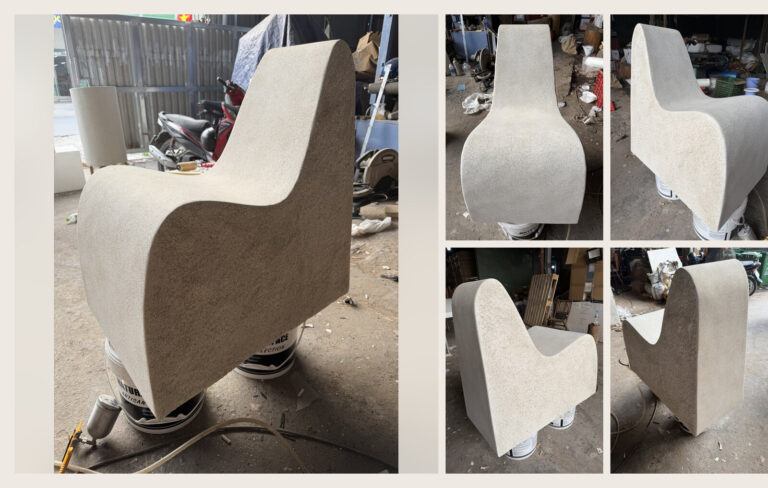
- Homeowners and makers planning small DIY pieces
Experience with skim coating or plastering helps, because trowel control is the hardest part to learn.
One course is a start, not the finish
A short course teaches the method. Consistent results come from practice. Microcement shows the hand of the person applying it, and floors show every pass in low light. Plan to practise on boards and small pieces before taking on a floor or bathroom for someone else. Two topics trip up new applicators most often: laying layers too thick, covered in how thick a microcement overlay is, and cracks over movement, covered in does microcement crack over time.
Practising after the course
Set up a small practice corner: a few boards of MDF or cement board, the same products you trained on, and a notebook. Record the mix, the weather, the drying time between coats and how each board turned out. Repeat the full sequence, from preparation to sealing, until two boards in a row come out the way you intended. That record becomes your own method sheet for real jobs.
Only need one job done?
If you need a single floor or bathroom finished, hiring an applicator is usually simpler than learning. Our guide on how to choose a microcement contractor covers what to ask.
About Jiu Ding Sheng
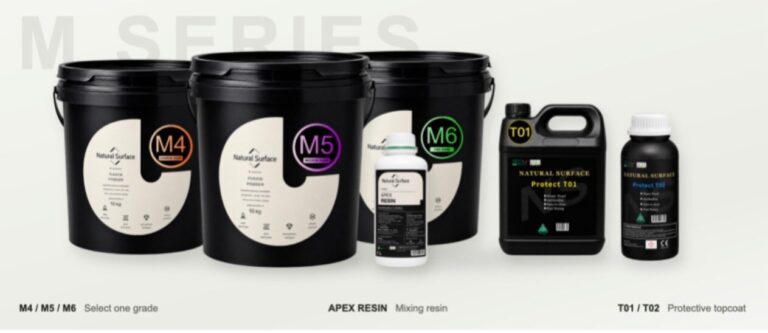
We are a microcement specialist in Singapore working with the Natural Surface M Series from Australia, a premixed system applied in four layers with no primer. If you want to learn microcement application, WhatsApp us to ask about microcement training. See the system on the Material page and finished work on the Projects page.
Quick answers
How long does it take to learn microcement application?
A short hands-on course can teach the method, but consistent results take practice on boards and small pieces before larger floors and bathrooms.
Do I need experience to learn microcement?
No, but skim coating, plastering or painting experience helps, because trowel control is the hardest part to learn.
Is microcement training product-specific?
Largely, yes. Mixing, layer order, drying times and sealers differ between systems, so train on the one you plan to use.
What should I practise on first?
Sample boards and small pieces, such as a shelf or side table, before walls, floors or wet areas.
Next step
Interested in learning microcement application? WhatsApp us to ask about microcement training. WhatsApp +65 8049 1188 or use the contact page.