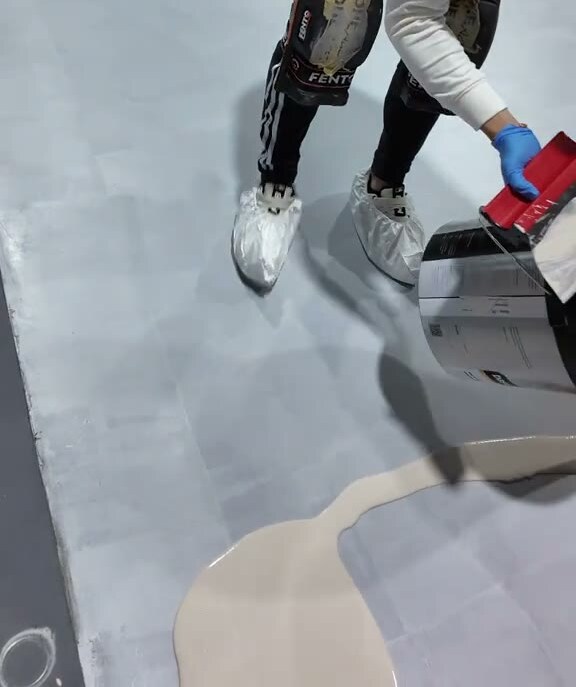
Yes. Microcement can be applied over new furniture and over refurbished old furniture, as long as the piece is rigid, stable and properly prepared. MDF, plywood, metal and sound existing furniture can all be suitable once they are cleaned, repaired, sanded or keyed, and primed where the system calls for it. The main risks are flexing, movement at joints and knocks on edges, so the piece underneath matters as much as the finish on top.
Which furniture materials suit microcement
- MDF and plywood: common bases for new pieces. They need to be thick enough not to flex, with edges sealed so they do not take in moisture.
- Metal: possible once rust and loose coatings are removed and the surface is keyed, usually with a suitable bonding primer.
- Existing timber or veneered furniture: possible if it is sound. Flaking varnish, wax and loose veneer need to be dealt with first.
- Cement board and concrete forms: generally good, stable bases for benches, tables and decor.
Less suitable bases
- Thin panels or pieces that bend when you lean on them
- Upholstered or soft parts
- Furniture with loose joints, wobbly legs or water damage
- Glossy laminate, unless it is properly keyed and primed for bonding
- Pieces that will sit outdoors in sun and rain, unless the system is specified for that
New furniture: designing for a microcement finish
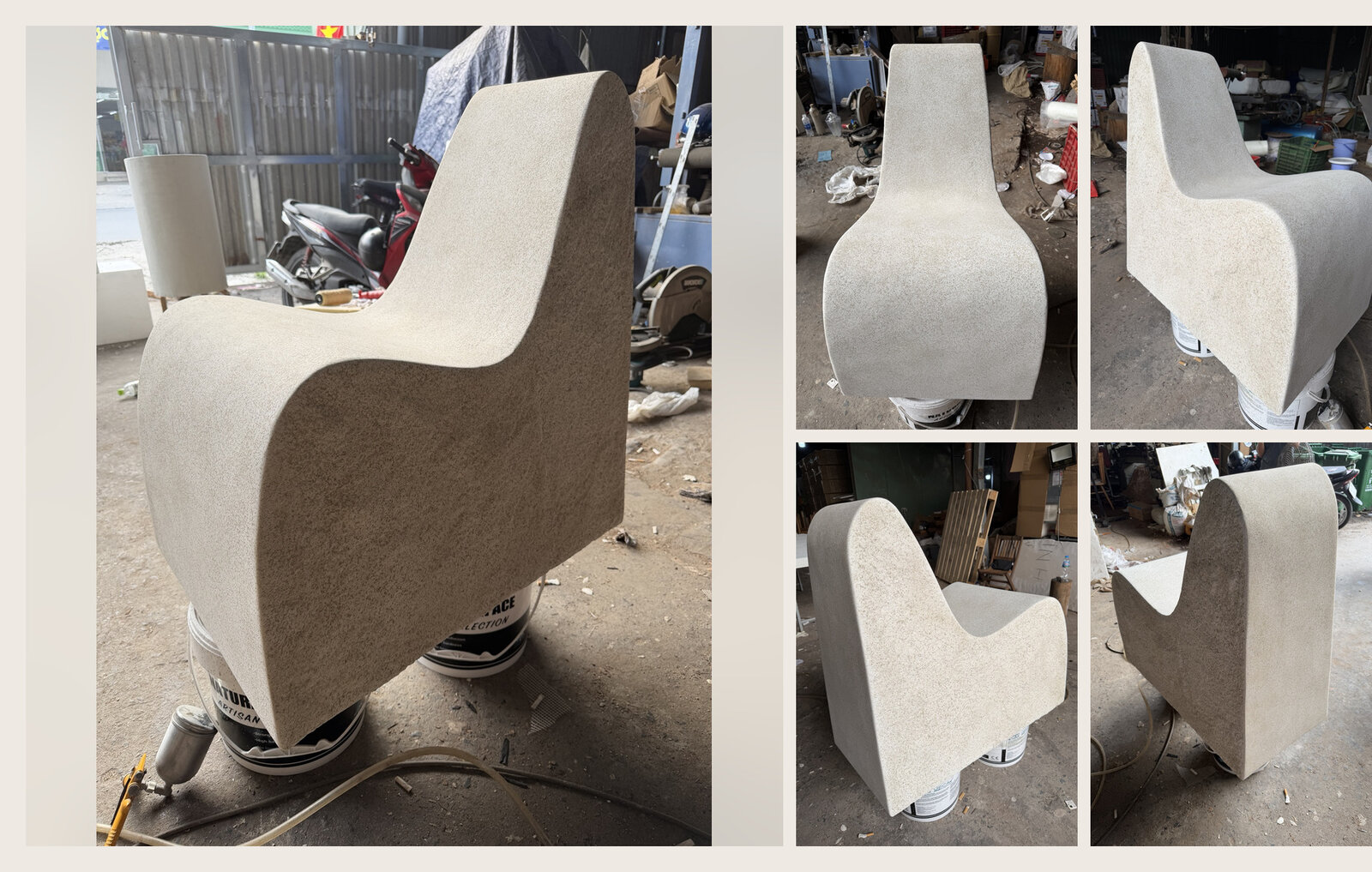
If a piece is being made for microcement, plan for it from the start: a rigid frame, stable boards, joints that will not move, and slightly rounded edges, because sharp corners chip more easily. Flowing, curved shapes like the lounge chair in the photo at the top of this page suit the material well, since the finish wraps around them without hard edges to knock.
Refurbishing old furniture: the preparation
- Check the piece is sound. Reglue loose joints and replace damaged parts.
- Clean off grease, wax and polish.
- Sand or key glossy surfaces so the next layer can grip.
- Fill dents, gaps and open grain.
- Apply a primer or bonding coat if the chosen system needs one on that material.
- Apply the microcement layers, then seal.
Skipping preparation is the most common reason a furniture finish peels or cracks. It is slow work, but it is what makes the finish last.
Edges, joints and movement
Microcement is a thin, hard layer that follows whatever is underneath. If the piece flexes, swells with moisture or a joint opens, a hairline crack can appear along that line. Edges and corners also take most of the knocks in daily use. A stable base, careful detailing at joints and edges, and a good top coat reduce the risk. More on why cracks happen in does microcement crack over time.
Sealing for daily use
A dining or coffee table sees spills, hot mugs and plates sliding across it. The top coat is what protects it, so ask which sealer will be used and how it handles water, oil and heat. Use coasters, trivets and felt pads, and clean with a pH-neutral cleaner. See how to clean and maintain microcement and, for kitchens, microcement on counters and cabinets.
Questions to ask before you commit
- What is the piece made of, and is it rigid enough?
- What preparation and primer will be used?
- How will edges and joints be handled?
- Which top coat, and when might it need refreshing?
- Can I see a sample in the colour and texture I want?
Customisation at Jiu Ding Sheng
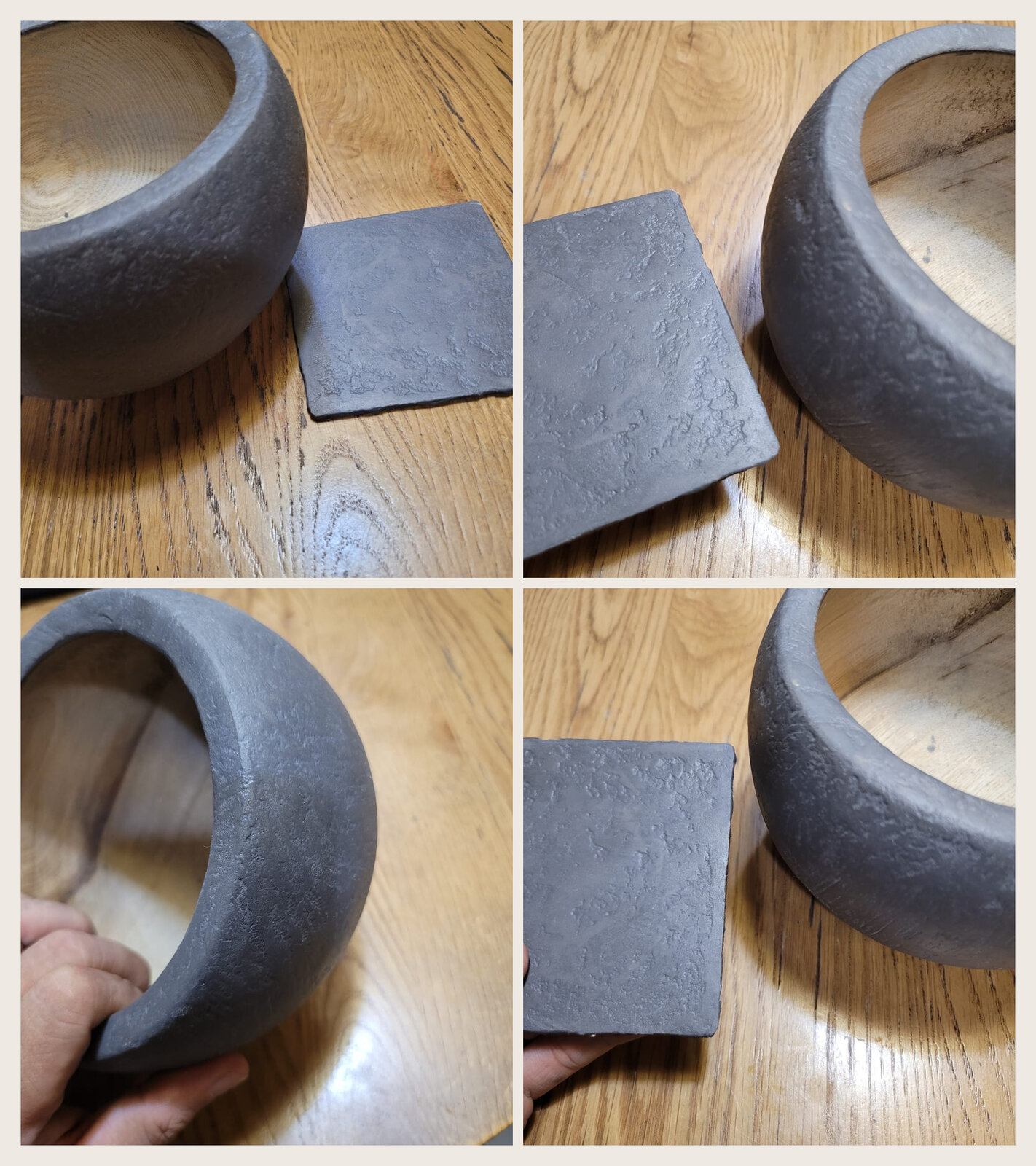
The photos on this page come from our customisation pieces: a sculpted lounge chair in a light grey microcement, and a round bowl with a matching tile in a textured dark grey. Every piece is different, so we look at the item, its material and how it will be used before saying yes. Browse textures on the Finishes page and read about the system on the Material page.
Quick answers
Can microcement go over laminate furniture?
It can, but laminate is smooth and non-porous, so it must be sanded or keyed and primed with a suitable bonding primer first. Thin panels that flex are not a good base.
Can old wooden furniture be covered with microcement?
Yes, if it is sound. Loose joints, flaking varnish and wax need to be fixed or removed, and the surface sanded and primed where needed.
Will microcement crack on furniture?
It can if the piece flexes or a joint moves. A rigid, stable base, careful detailing at joints and edges, and a good sealer reduce the risk.
Is microcement furniture waterproof?
A properly sealed surface resists water and everyday spills. Wipe spills promptly, and keep standing water and hot items off the surface.
Next step
Have a new piece or an old one you want to give a microcement finish? Send us photos and rough sizes. WhatsApp +65 8049 1188 or use the contact page.